







One Jump Closer
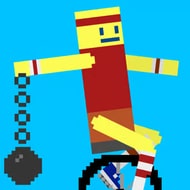
You line up a jump toward the next platform, and the bomb strapped to your chest ticks down another notch the instant you land — not before, not because of a timer running in the background, but specifically because you jumped. In One Jump Closer, standing still is the only truly safe option, and it’s never actually an option at all.
| Genre | Puzzle-Platformer / Horror |
| Core Mechanic | Each jump advances a countdown to detonation |
| Setting | A hazard-strewn obstacle course under a macabre clown theme |
Every Jump Costs Time, Not Just Risk
The core tension in One Jump Closer comes from tying the countdown directly to the player’s own actions rather than to a background clock. Every jump brings the detonation closer, which means the usual platformer instinct — take your time, look before you leap — actively works against survival here. Hesitating too long doesn’t cost anything by itself, but every single jump taken to actually make progress spends part of the remaining time, so the real skill is planning a full sequence of jumps in advance rather than reacting to one obstacle at a time.
That inversion changes how spikes, moving platforms, and other hazards get approached. In most platformers, a cautious extra hop to double-check footing costs nothing. Here, that same cautious extra hop advances the countdown just as much as a jump that actually made progress toward the exit, which punishes over-careful play almost as much as reckless play punishes itself against the spikes.
Reading a Course Before Committing
Early courses stay relatively simple, giving new players room to learn the base jump-and-fall physics before the bomb mechanic becomes the dominant pressure. Later courses combine shifting platforms that require precisely timed jumps with spikes and other hazards positioned specifically to punish a rushed decision, which means the difficulty comes from two directions at once — physical platforming precision, and the pressure of a shrinking time budget pushing against that same precision.
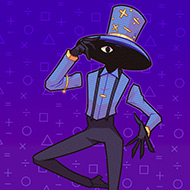
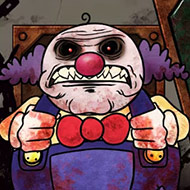
The clown-circus visual theme running through the game isn’t just decoration — the unsettling atmosphere reinforces the sense that careful planning is being actively punished by the environment itself, which is a detail players who’ve spent real time with the game tend to bring up when describing why the tension feels sharper here than in a platformer with a plain background countdown instead.
What new players get wrong first
The instinct to move cautiously, testing footing with small hops before committing to a real jump, backfires specifically because every hop counts against the same countdown as a jump that actually advances the run. Planning a full path across a room before taking the first jump, rather than jumping to see what happens, is the adjustment that separates courses cleared calmly from ones cleared by a narrow margin.
- Every jump advances the detonation countdown, regardless of whether it makes real progress toward the door
- Moving platforms and spikes require timing precision on top of the countdown pressure
- Later courses stack more hazards into the same space rather than simply adding more distance to cover
Does standing still ever help in One Jump Closer?
Standing still doesn’t advance the countdown the way a jump does, but it also doesn’t move you toward the exit — since every course still has to be finished, the practical value of pausing is limited to genuinely planning the next sequence of jumps, not stalling indefinitely.
Do early mistakes cost more than later ones?
Not inherently, since every jump counts the same toward the countdown regardless of when it happens — but a wasted jump early in a course leaves less time budget for the harder hazard sequences that tend to show up later in the same room.
One Jump Closer takes a mechanic as simple as jumping between platforms and makes the countdown a direct consequence of the player’s own choices rather than an outside force, which is exactly why a course that looks like a standard obstacle run on paper ends up feeling like a negotiation between moving forward and moving carefully enough to survive the landing.
Comments
There are no reviews yet. Be the first one to write one.
